







Blogs
Workholding
Product Selection
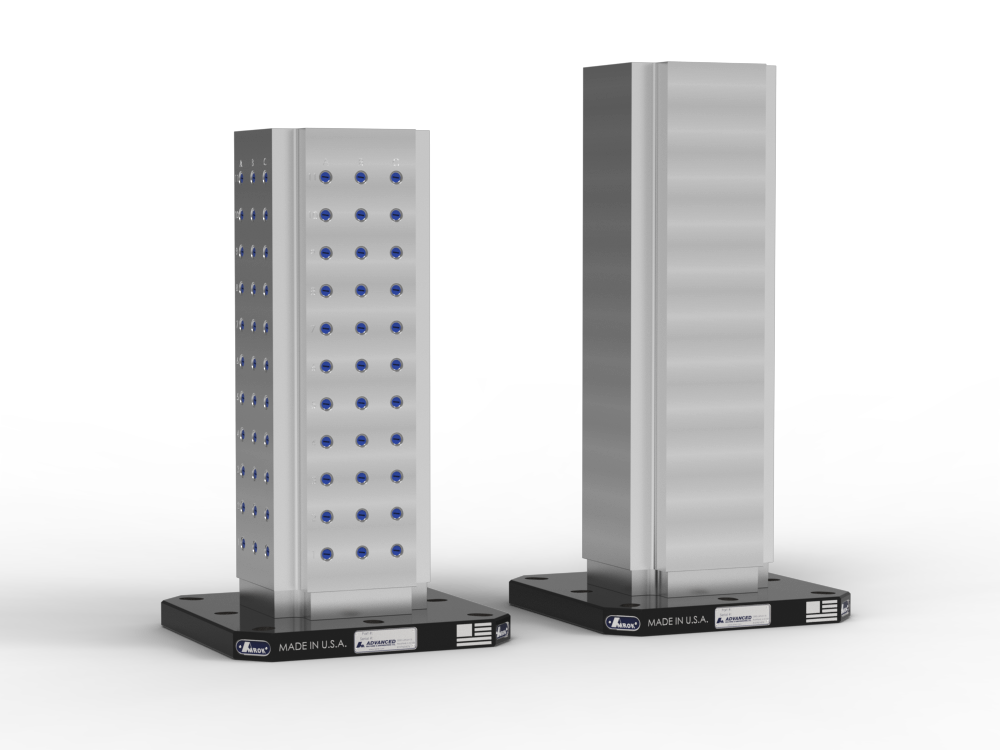
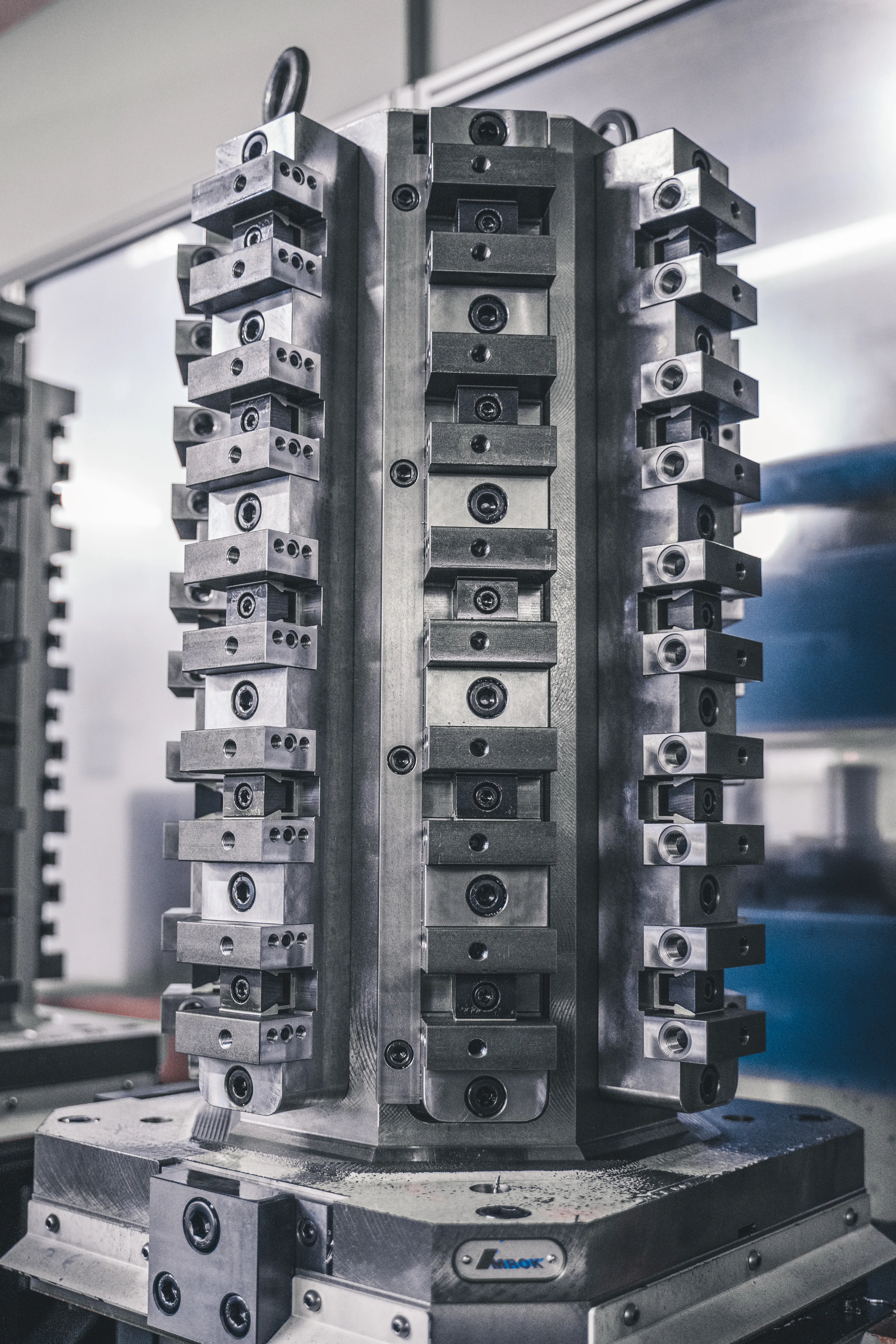
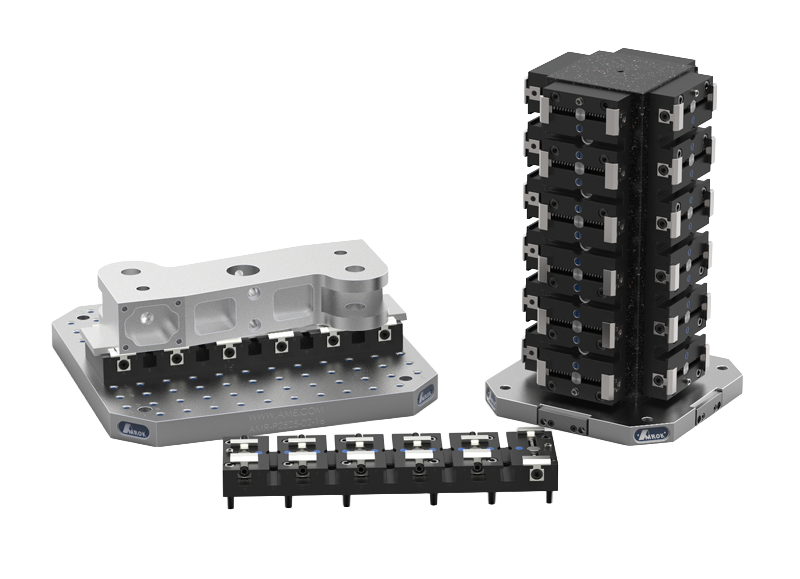
Finding the Right Tombstone is Easy with Hennig
Read our handy guide on how to select the right tombstone from their wide range of products.
Download installation and maintenance manuals, order spare parts, and find tutorial videos to help with your chip conveyor installation and operation.
Download installation and maintenance manuals, order spare parts, and find tutorial videos to help with your chip conveyor installation and operation.
.svg)
Hennig Power Protection is a dedicated division specializing in custom-engineered generator enclosures, fuel systems, and power infrastructure for mission-critical applications across data centers, healthcare, telecommunications, and industrial facilities.
Precision machining, fabrication & welding services from our Rockford, IL facility. Complete manufacturing solutions with ISO-certified quality.
Precision machining for turbine...
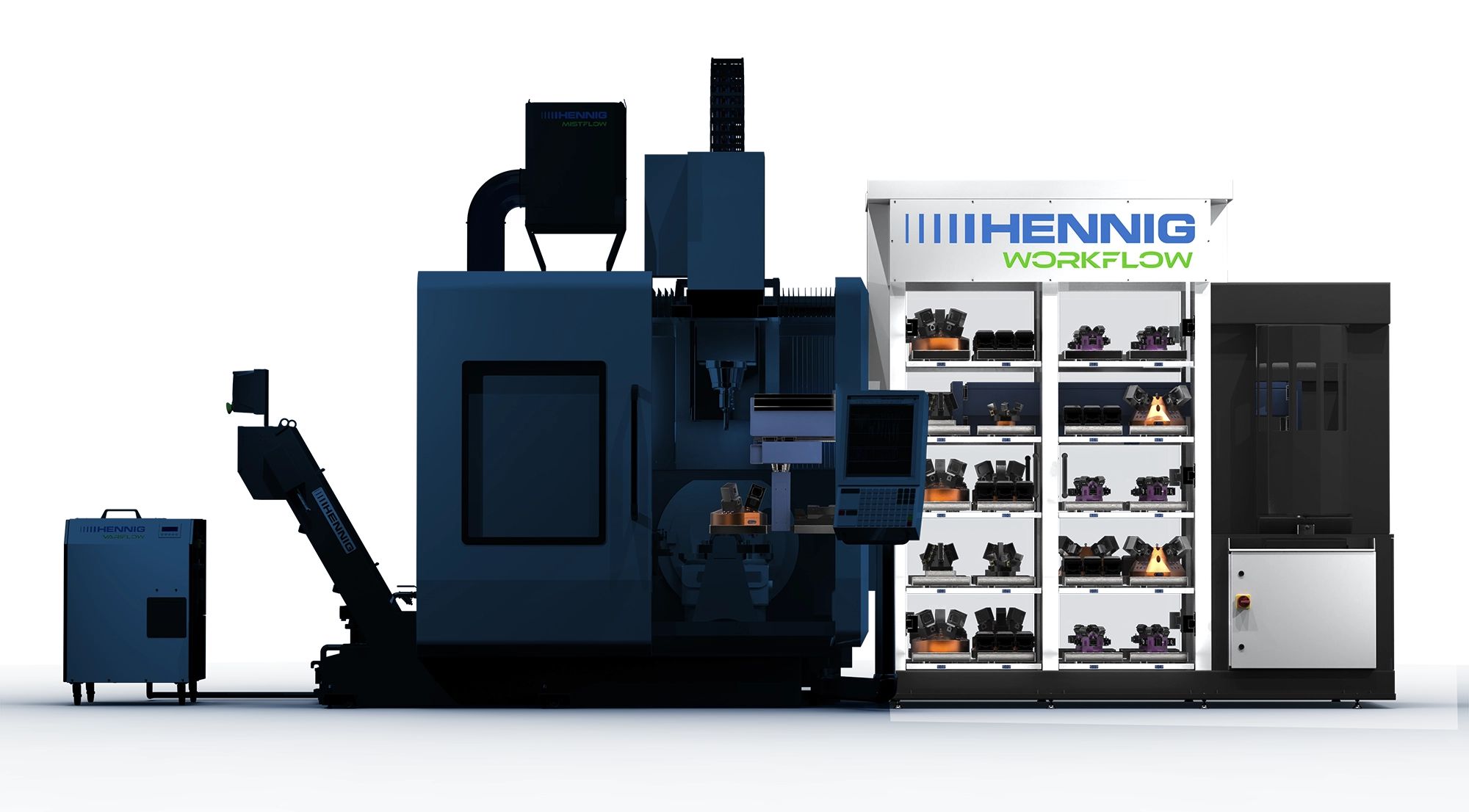
Pallet delivery, robotic tending & software for lights-out production
CNC machining centers, lathes, grinders & multi-axis equipment
Safety systems & rod locks for hydraulic & mechanical presses

The SCHUNK KONTEC KSC3-K vise blends the high clamping force and precision of the KSC3 series with a single-acting, fixed-jaw format. With the same nickel-plated, sealed construction as the KSC3 and the addition of a quick jaw-change design, the KSC3-K is a powerful, adaptable vise for any machine shop aiming to minimize re-clamping errors.
| Key Features | |
| High-Precision Fixed Jaw | The fixed jaw includes a transverse positioning groove enabling the KSC3-K to securely clamp parts that have one finished face, allowing for precise 6-sided machining when used in combination with centric vises on multi-sided tombstones |
| Heavy-Duty Clamping Performance | Provides the same impressive clamping forces as the KSC3 centric vises; the tension-clamping design eliminates base bending under load, maintaining parallelism and precision on critical finishes |
| Corrosion-Resistant & Enclosed | Features a nickel-plated base for corrosion protection and durability in coolant-rich environments, with a spindle mechanism encapsulated against chips and debris guaranteeing reliable, low-maintenance use in production |
| Quick Jaw Change Capability | Jaw swaps are done with just two screws reducing downtime when switching between different part shapes or sizes; the wide range of jaw styles (serrated, soft, step jaws, etc.) are available to tackle new clamping tasks |
| Modular and Automation-Ready | Integrated VERO-S interface enables mounting to a zero-point pallet alongside centric vises for a flexible machining cell, speeding up changeovers and allowing mixed clamping strategies in one setup |
| Product ID | 3D CAD | Part Number | Width Of Clamping Vise | Vise Length | Version | |
|---|---|---|---|---|---|---|
| KSC3-K 80-130 | 1508858 | 80.0 mm | 130.0 mm | Standard | ||
| KSC3-K precise 80-130 | 1577204 | 80.0 mm | 130.0 mm | With reversible jaws, smooth | ||
| KSC3-K 80-190 | 1514288 | 80.0 mm | 190.0 mm | Standard | ||
| KSC3-K precise 80-190 | 1577205 | 80.0 mm | 190.0 mm | With reversible jaws, smooth | ||
| KSC3-K 125-160 | 1514289 | 125.0 mm | 160.0 mm | Standard | ||
| KSC3-K precise 125-160 | 1577206 | 125.0 mm | 160.0 mm | With reversible jaws, smooth | ||
| KSC3-K 125-235 | 1514290 | 125.0 mm | 235.0 mm | Standard | ||
| KSC3-K precise 125-235 | 1577207 | 125.0 mm | 235.0 mm | With reversible jaws, smooth | ||
| KSC3-K 125-300 | 1514291 | 125.0 mm | 300.0 mm | Standard | ||
| KSC3-K precise 125-300 | 1577208 | 125.0 mm | 300.0 mm | With reversible jaws, smooth | ||
| KSC3-K 160-280 | 1514292 | 160.0 mm | 280.0 mm | Standard | ||
| KSC3-K 160-480 | 1514297 | 160.0 mm | 480.0 mm | Standard |
Each model below is routed to the best next step based on availability.
Every changeover means idle spindle time. Multi-part fixturing slashes setup frequency — so your machines spend more hours cutting and less time waiting.
Based on 250 working days/yr. Multi-part fixturing reduces changeover frequency so your spindle spends more time cutting.
Read our handy guide on how to select the right tombstone from their wide range of products.
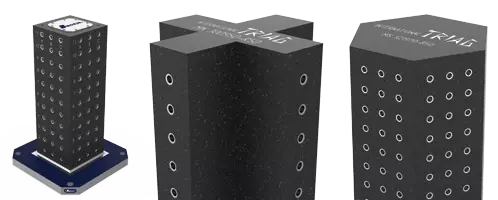
Dr. Tony Schmitz, a professor specializing in vibration analysis, came to AME to do a series of tests on the various material types of tombstones and breaks down his findings to determine the best type of tombstone for your shop.
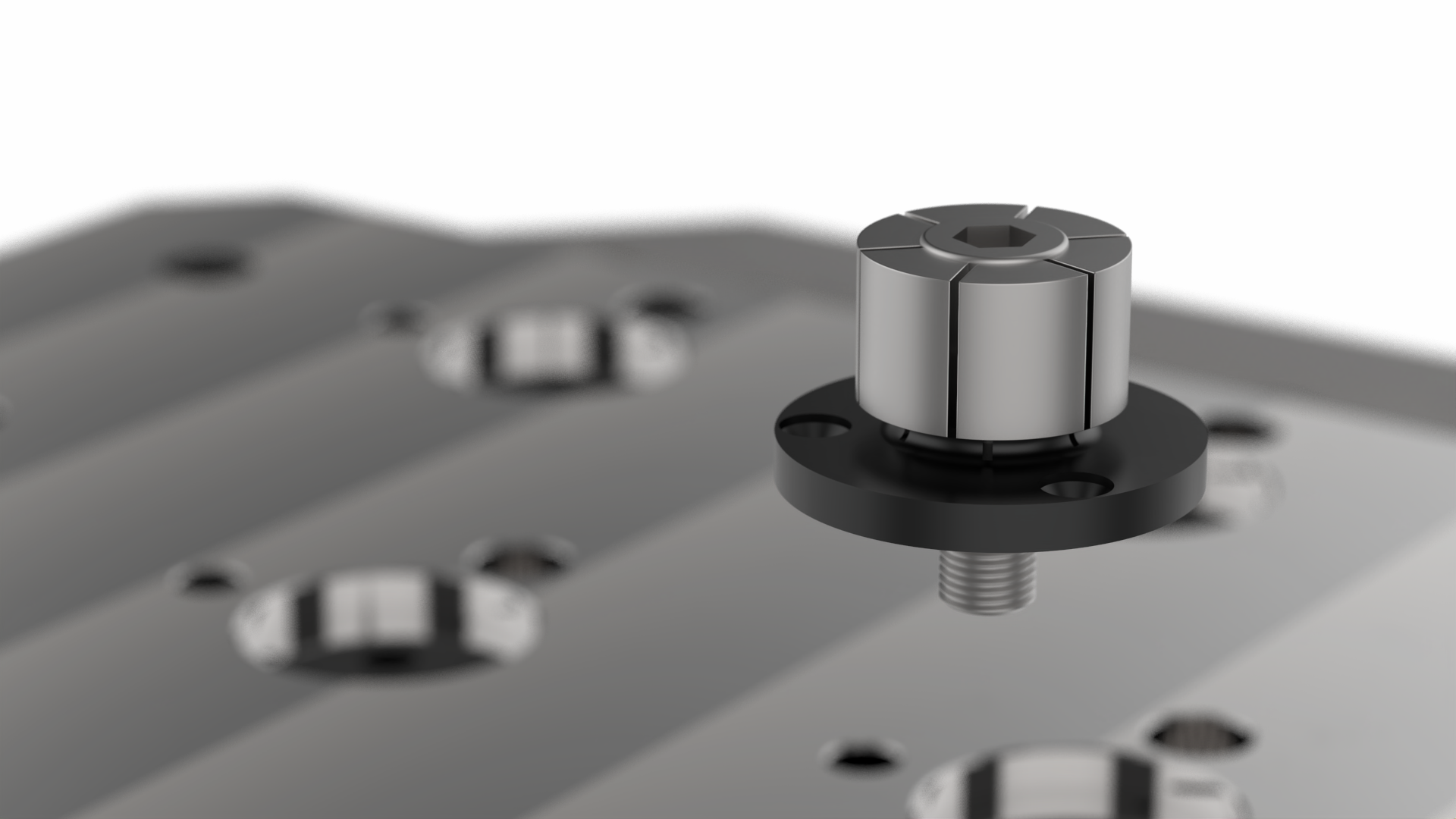
If you want to reduce your overall costs and increase your flexibility to meet your customers’ demands, consider incorporating off-machine set-ups into your machining process.
Both Hennig and its sister company, Advanced Machine & Engineering, now operate under the Hennig brand.
Same team. Same products. Same company. Different look.
Unifying the two brands under one name clarifies our offerings and makes them easier for you to navigate — one website, one team, one trusted partner.