








.svg)

Access the full article
Fill out the form below and the rest of this article will unlock instantly.
Would you like to run your cnc shop at full capacity, day and night?
Operations leaders are under constant pressure to increase production capacity. Yet many facilities still work with outdated CNC infrastructure. Instead of improving processes, they’re focused on preventing missed deliveries, wasted work, and lost revenue.
Legacy systems like conveyors, coolant, and workholding require frequent human interaction to avoid downtime. That makes lights-out manufacturing impractical if not impossible in many facilities.If they tried, most shops would probably get more scrap than throughput. But when your periphery equipment is carefully tuned and automated, one machinist can run multiple lines or cells. This allows them to produce hundreds of quality parts while focusing on the more creative work automation can’t do for them.
This playbook gives you a clear process to achieve lights-out manufacturing in your facility, while avoiding common pitfalls. In three simple phases, learn how to stabilize your processes, efficiently add new systems, and prove ROI on every investment.
The proof is clear. When facilities invest in the right systems in the right order, the most common causes of downtime start to disappear
What You Get
- The three-phase playbook + worksheet: A clear upgrade roadmap. Form a phased plan with standardized improvements across machines and cells, success benchmarks, and talking points you can use to get leadership and finance on board.
- Quick-check bottleneck scorecard. Quickly identify the systems causing the most downtime and wasted labor.
- ROI calculator. Put real numbers against your investments and results to prove the payback at every step.
What you’ll Learn
- How to assess bottlenecks on each line or cell with the Quick-check bottleneck scorecard.
- How to map out and prioritize investments into three phases, using practical decision-making methods outlined in the three-phase playbook worksheet.
- How to quantify ROI with your own numbers using our calculator.
Peripherals: The hidden key to uptime
Most of the time, downtime and scrap don’t start at the spindle. They come from peripheral equipment like chip handling and filtration, especially during unattended runs. Reliable conveyors and serviceable filtration cut downtime and encourage consistency across every machine in your shop.
Spindles only produce when everything around them runs right. A single weak link (chip handling, coolant filtration, machine protection, workholding, etc.) can halt an otherwise capable machine and wipe out a shift, a week, or even a customer relationship. That’s why upgrades should be planned as a part of the overall system, not as individual bolt-on components.
It all begins with fixing bottlenecks and building the proper foundations.
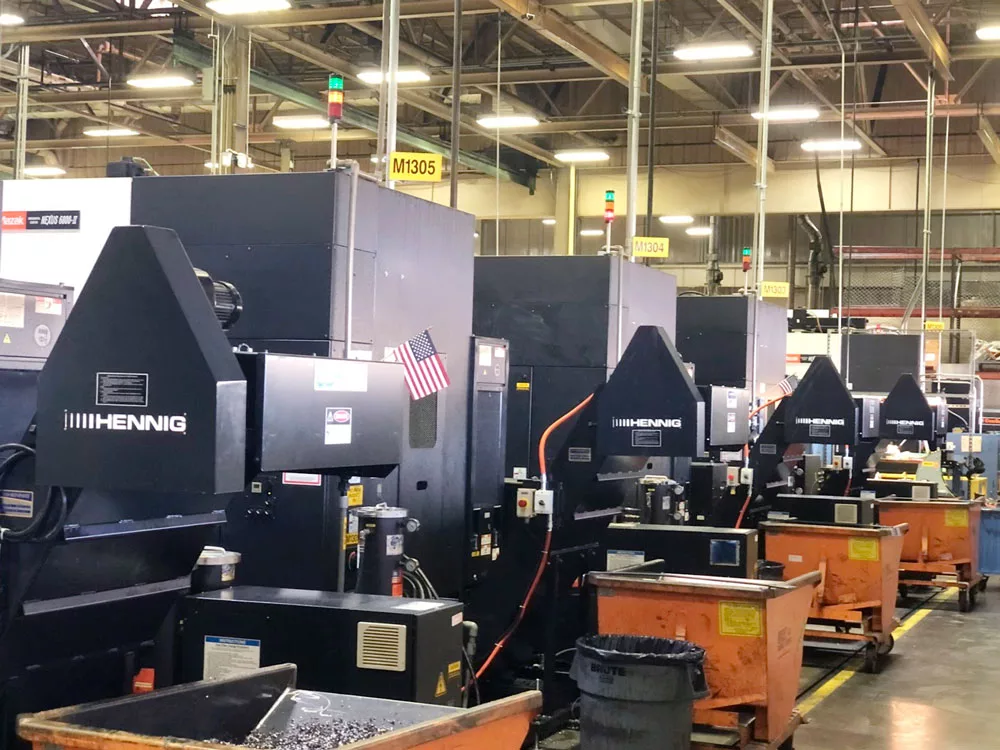
The three-phase playbook
Phase 1 — Stable foundations: Stabilize uptime by first improving chip management, coolant filtration, and maintenance practices. Without this, unattended runs, quality, and any future automation will be unreliable at best. This phase requires clear operator and maintenance ownership of chip and coolant systems.
Phase 2 — Throughput drivers: Once stable, increase velocity and repeatability with high-pressure coolant, pull-force gauges, and advanced workholding foundations (plates, tombstones, zero-point, clamping). Consistent setup routines are key. This is where cycle time, part quality, tool life, and changeover times improve most.
Phase 3 — Automation monitoring: Once you are stabilized and increasing throughput, add pallet/part loading to multiply operator productivity and extend runtime hours (lights out where appropriate).Then collect clean uptime data to make strategic decisions and continually improve processes. This step often calls for an automation engineer or integrator, along with operator training in monitoring and exception handling.
Phase 1: Solid Foundations
Phase 1 starts with ensuring operational stability.
Chip conveyors are the “tires on the car.” Everyone admires the machine, but the conveyor determines whether it keeps moving — especially overnight. Failures often surface during unattended runs and cascade into days or weeks of lost capacity if redesigns or replacements are needed.
Keep your coolant clean. Poor evacuation drags coolant out with chips and starves the sump, triggering stoppages and quality risks. Better filtration reduces replenishment and protects tolerances.
Serviceability matters. Coolant filtration modules that can be accessed and cleaned without draining tanks cut maintenance and cycle times.
What goes in Phase 1 (and why)
Custom-engineered chip conveyors should be matched to your machines and chip type, whether its long stringy aluminum, fine cast-iron grit, or mixed materials. Standardizing conveyors across different machine brands reduces complexity in training, maintenance, and spare parts. This consistency is critical to run lights-out shifts.
- Auger and flexible screw conveyors are ideal for wet or dry applications with limited space, small chips and mixed materials.
- Hinge belt chip conveyors work with a variety of materials, chip types, and chip loads. Hinge belts can be modified to handle more troublesome waste like tough scrap and heavy parts.
- Magnetic chip conveyors are designed for ferrous material applications that produce small chips and fines.
- Mobile chip conveyors make it easy to lift chips into receptacles for faster and more ergonomic cleaning.
- Scraper belt chip conveyors are best for fine chips and swarf from aluminum, brass, and cast iron. The scraper belt moves in reverse, collecting and dragging chips up the incline to the discharge end.
Service-friendly coolant filtration is critical for reliable uptime. Designs that allow faster cleaning without draining tanks translate directly into fewer interruptions, more consistent surface finishes, and longer tool life.
- Chip disc filtration (CDF) is a patented Hennig CDF system that filters coolant with a micronic weave disc. This system is designed for notoriously difficult cast iron applications. The addition of a solid rotating magnetic drum efficiently removes floating fines and sludge.
- Self-cleaning filtration is for water- or oil-based CNC coolants in machines requiring medium continuous filtration at 500 or 250 microns. It easily works with OEM-supplied coolant tanks.
Upgrade coolant tanks with sensors to reliably monitor coolant levels and other conditions, preventing unplanned stops and limiting the need for manual machine monitoring.
- Coolant tanks have three different configurations, based on what best fits your layout: T, L, and square.
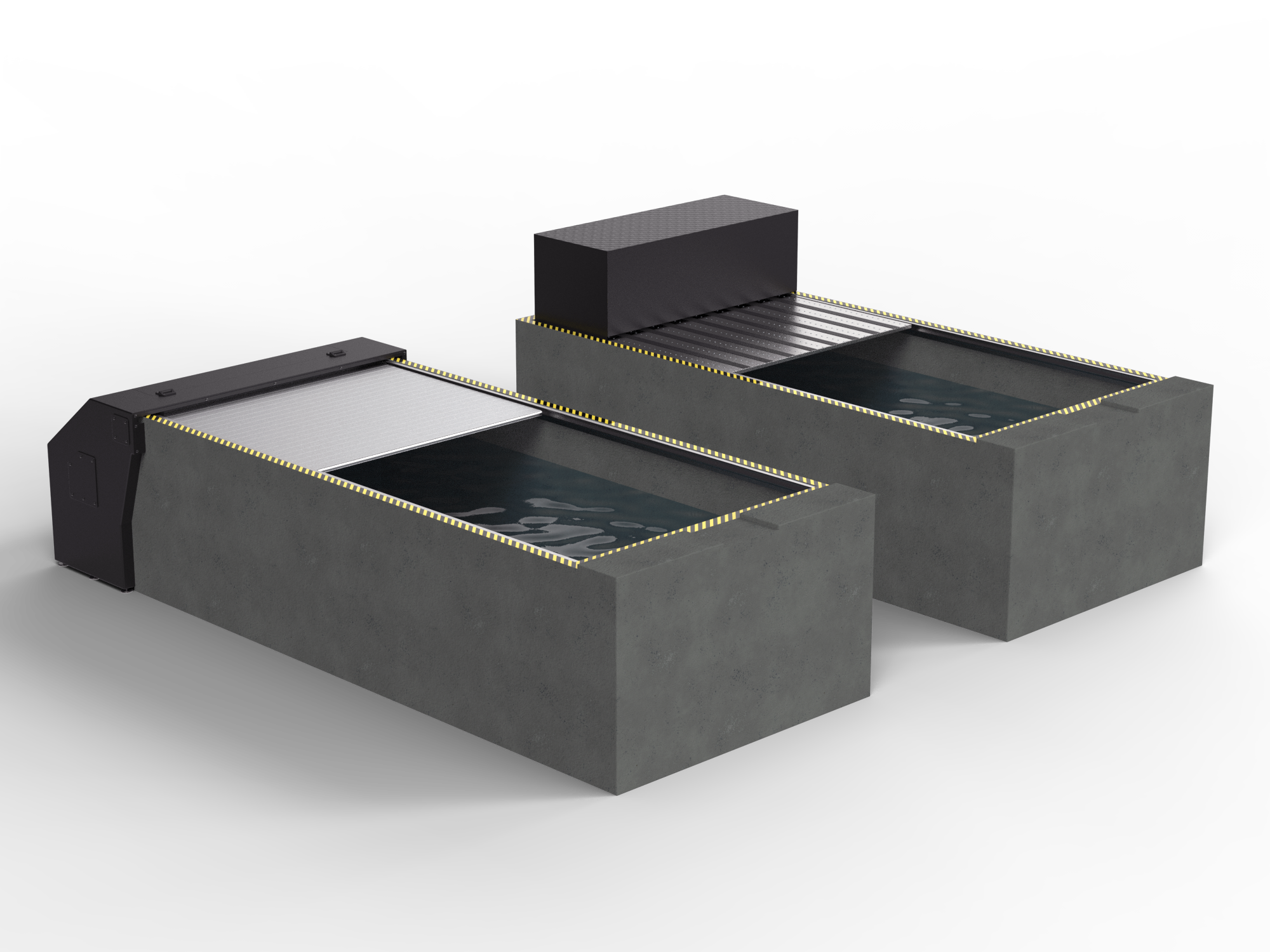
Machine protection systems, such as bellows or way covers, are critical in harsh environments where abrasives or fine particulates threaten motion components. Proactively protecting rails and bearings from intrusion helps avoid costly repairs and ensures consistent uptime.
- Coated fabric bellows are great for dust protection, laser machines, and guideways that don't
see high chip loads. - Lamella bellows are made from stainless steel to protect against red-hot and sharp-edged swarf
as well as mechanical strain. - Hinged bellows are the perfect for protecting the Z-axis from hot or sharp chips, weld splatter,
and other debris. - Rubber bellows can be custom-tailored for uniquely shaped parts at an affordable cost.
People and process focus
- Assign clear roles and rules around coolant and conveyor maintenance.
- Build simple, repeatable checks into daily routines.
- Train operators on alarms, monitoring, and corrective actions.
Success metrics and targets
- Chip-related stops reduced (target range; track incidents/week).
- Filtration service time cut (baseline vs. after)
- Unattended shift completion rate increased (track % of planned hours achieved).
Risks removed
- Catastrophic downtime from poorly fitted conveyors or worn/damaged telescopic covers (weeks to months in worst cases).
- Coolant depletion from chip carryout during unattended runs.
Phase 2 is centered around throughput.
Once your chip/coolant issues are under control and machines are running consistently, the next step is reducing cycle times and guaranteeing repeatability. This can be accomplished through:
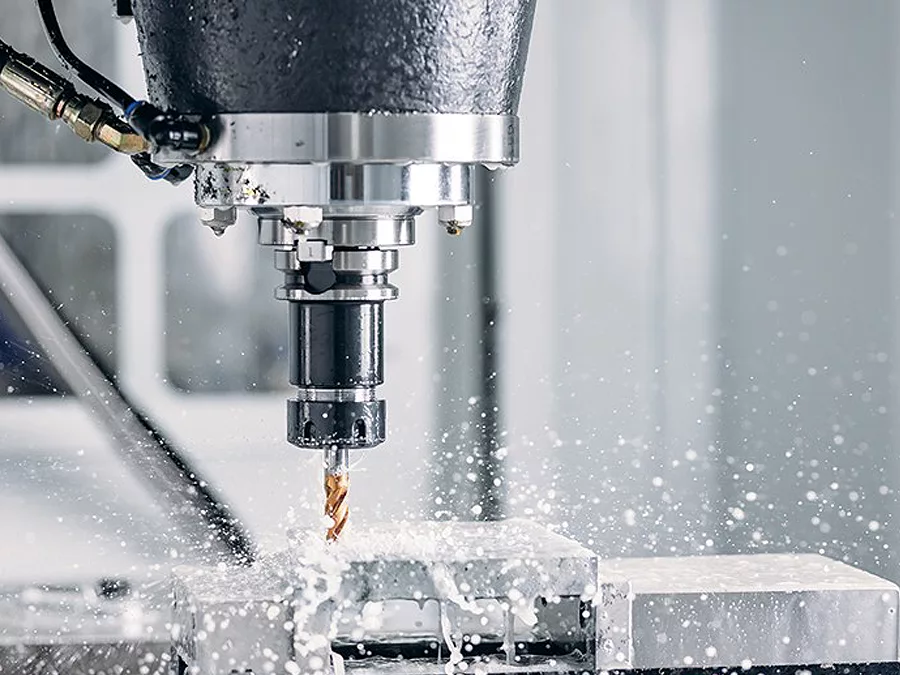
- Highpressure coolant improves chip evacuation at the cut, reduces maintenance needs, and enables more aggressive parameters.
- Advanced workholding delivers rigidity and fast changeovers so those gains stick.
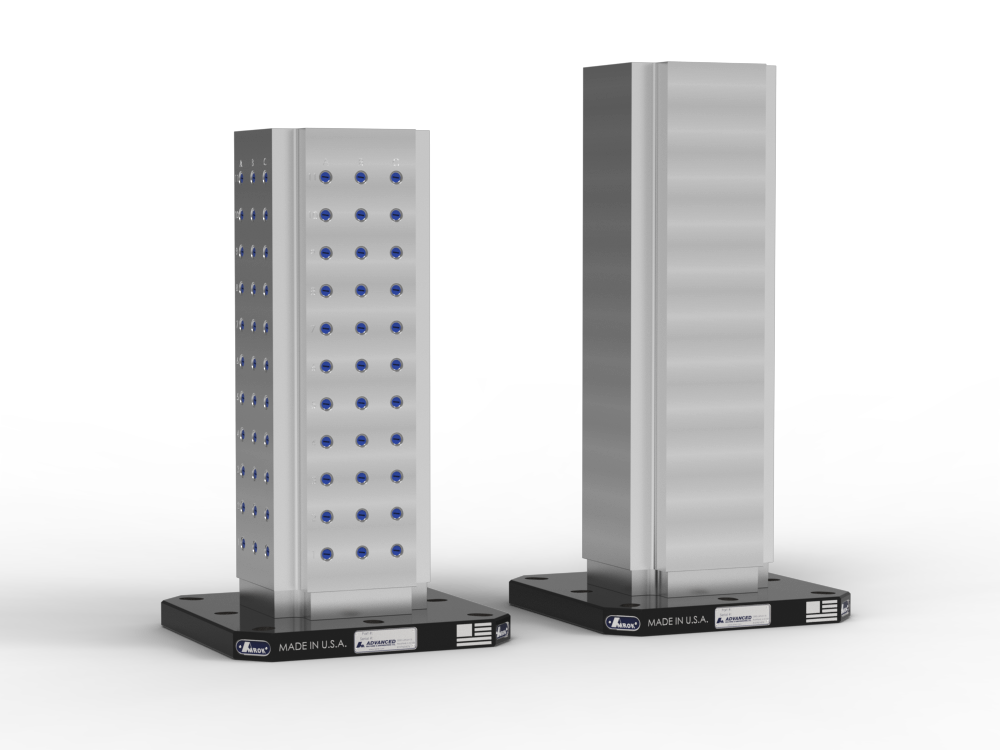
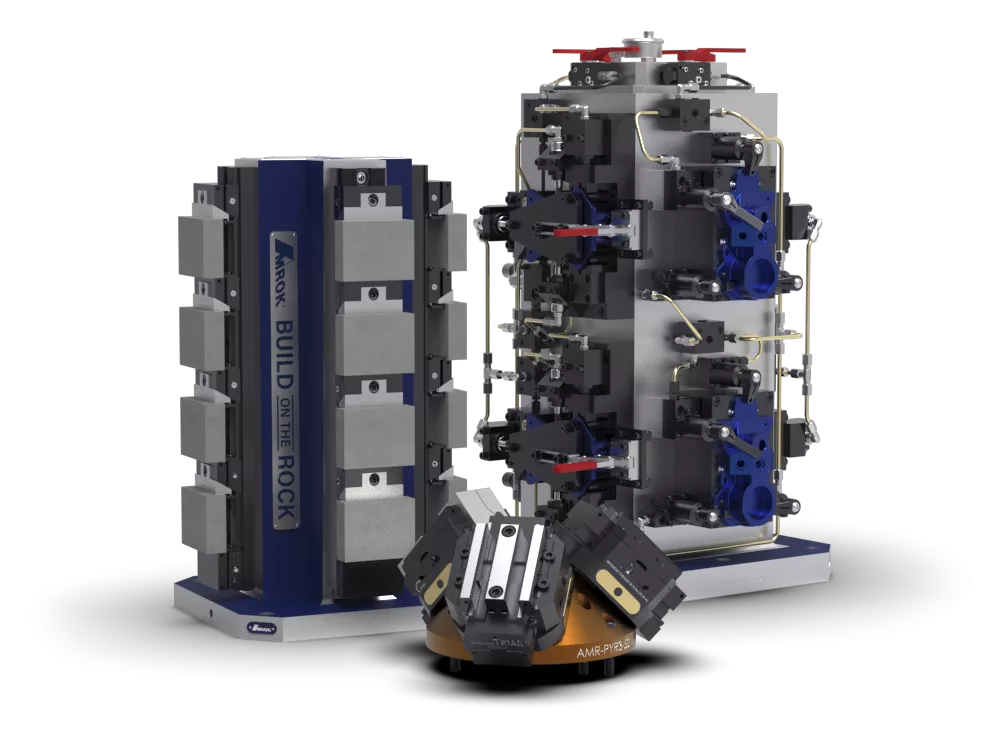
Rigid, accurate bases (such as those from AMROK’s Build on the Rock plates, tombstones) reduce tolerance failures, cut setup time, and enable reliable unattended runs.
What goes in Phase 2 (and why)
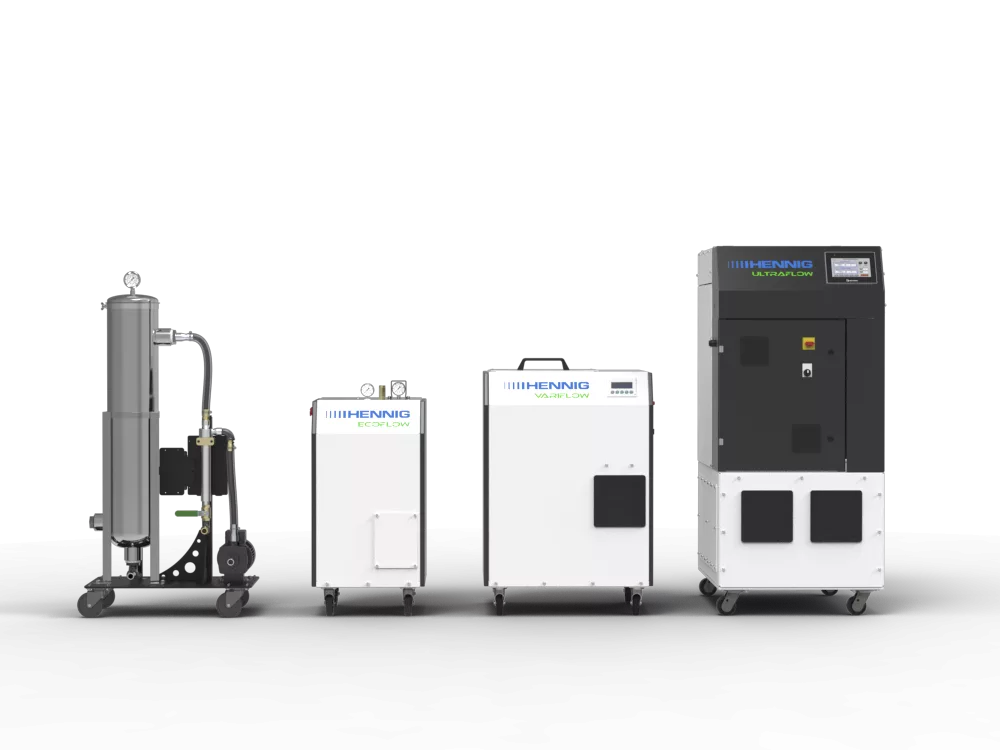
High-pressure coolant (HPC) systems increase productivity by improving chip evacuation at the cutting zone. With cleaner cuts, you’ll see better surface finishes, longer tool life, and shorter cycle times. Once your chip and filtration systems are stable, HPC is one of the fastest ways to gain measurable throughput. Hennig options include:
- Portable cyclonic filtration systems for a wide range of coolant filtration needs
- Medium-pressure coolant systems that are economically priced with a small footprint for easy
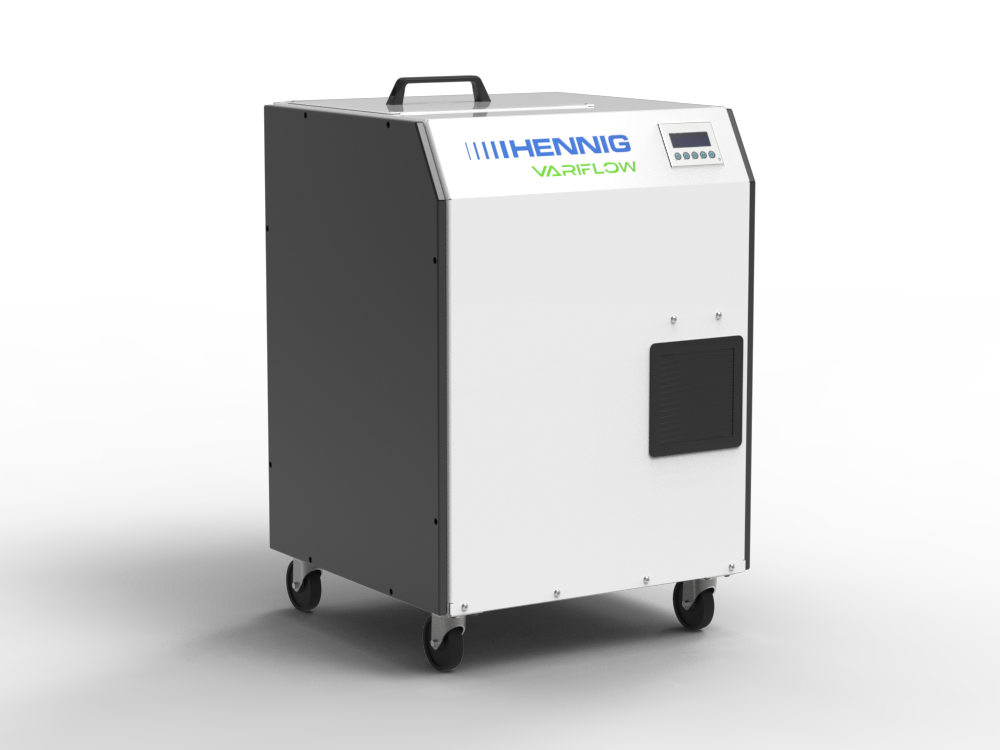
installation - Variable systems that work with most applications and include a 25-gallon reservoir
- Heavy variable systems made for demanding applications with large tooling and multiple
spindles
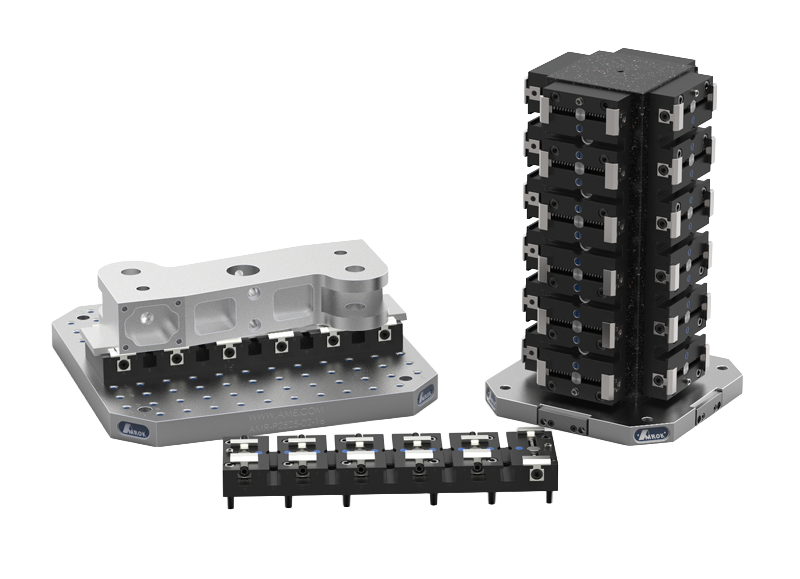
Workholding foundations, including baseplates, grid plates, subplates, and tombstones, establish a rigid repeatable setup for every part. These precision-machined foundations reduce tolerance stack-up, minimize setup errors, and make it easier to run more jobs unattended with confidence.
- Modular clamping and zero-point systems maximize your machining envelope, simplify changeovers, and improve repeatability. With flexible or modular fixturing solutions it is much easier to stack multiple jobs into one cycle. Zero-point locating systems allow operators to swap fixtures or workpieces quickly and know they will return to the same precise position every time, even from shift to shift.
People and process focus
Adding high-pressure coolant or upgraded fixturing won’t do any good if your people don’t consistently apply the process parameters. Operators and programmers need standardized setup
routines and access to accurate fixture models. Maintenance teams should verify proper pressure in coolant systems. Now you have the methods and processes for long-term throughput gains.
Next, it’s time to maximize your spindle time and ultimately achieve lights-out manufacturing with advanced automation and remote monitoring.
Success metrics and targets
- Shorter cycle times
- Setup/changeover time decrease percentage
- First-pass yield increase, improved tolerance stability in unattended runs, more parts per shift.
Risks we remove
- Operator fatigue and rework from marginal rigidity and inconsistent setups
- Underutilized spindles despite stable chip handling (Phase 1) because workholding envelope
was not maximized.
Why Phase 3 focuses on scalable automation.
With stability (Phase 1) and repeatability (Phase 2) locked in, you can now add automated systems like pallet pools and part loaders. These systems multiply throughput and extend runtime hours into the nights and weekends
What goes in Phase 3 (and why)
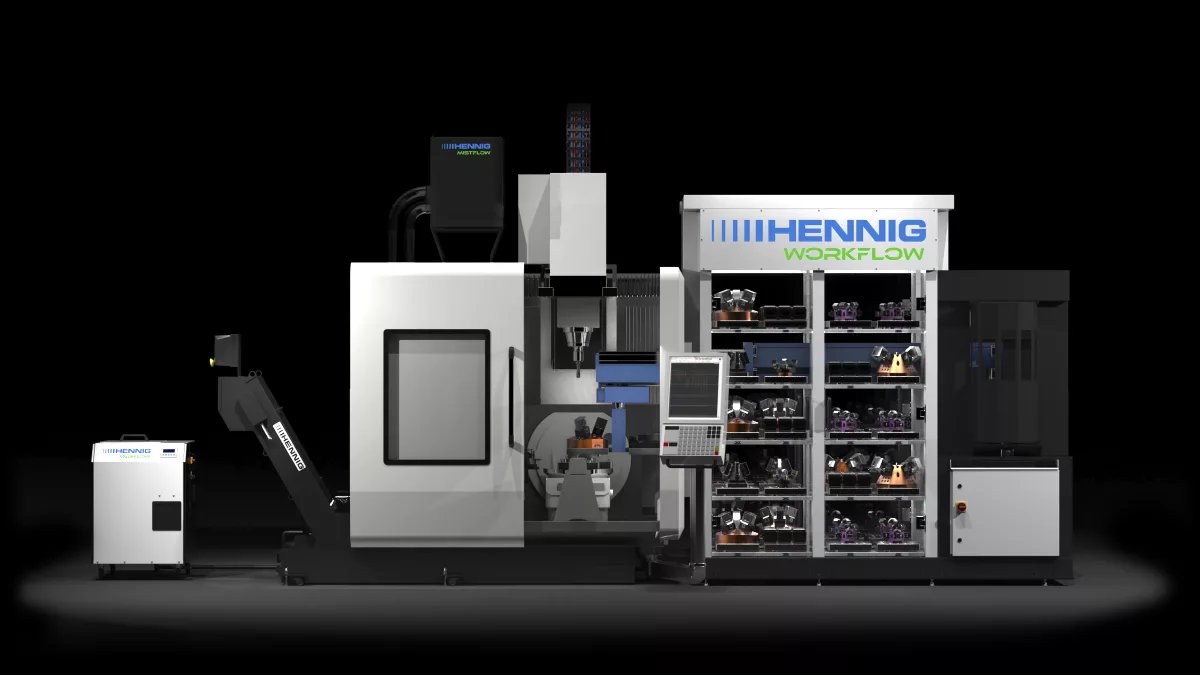
Pallet systems and part loaders increase machine utilization by automating the part loading and unloading process. Staging multiple parts or pallets in advance allows you to keep spindles cutting during breaks, shift changes, and overnight hours.
- Automated pallet changers automatically transfer up to 40 pallets filled with mixed parts between your machine and loading areas.
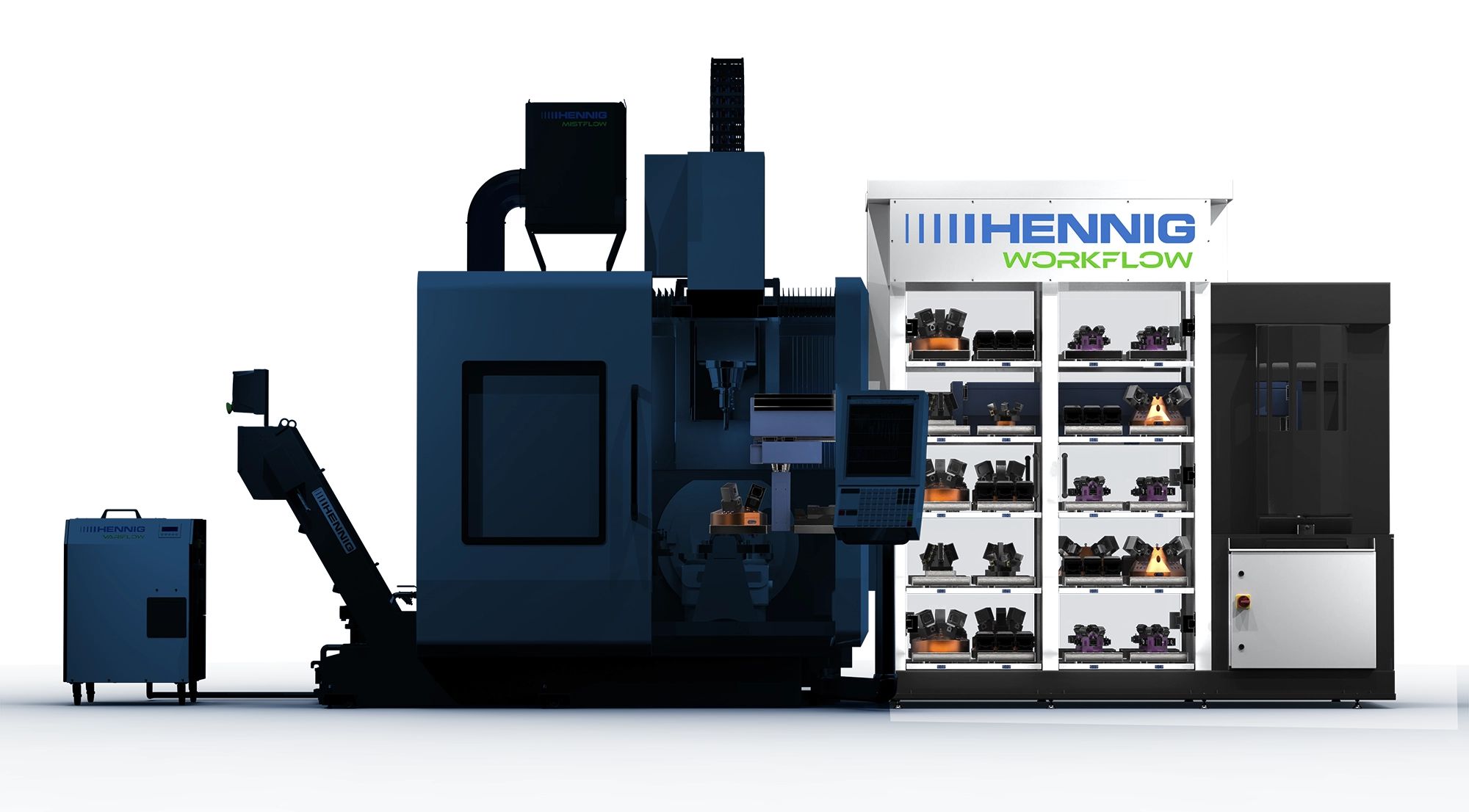
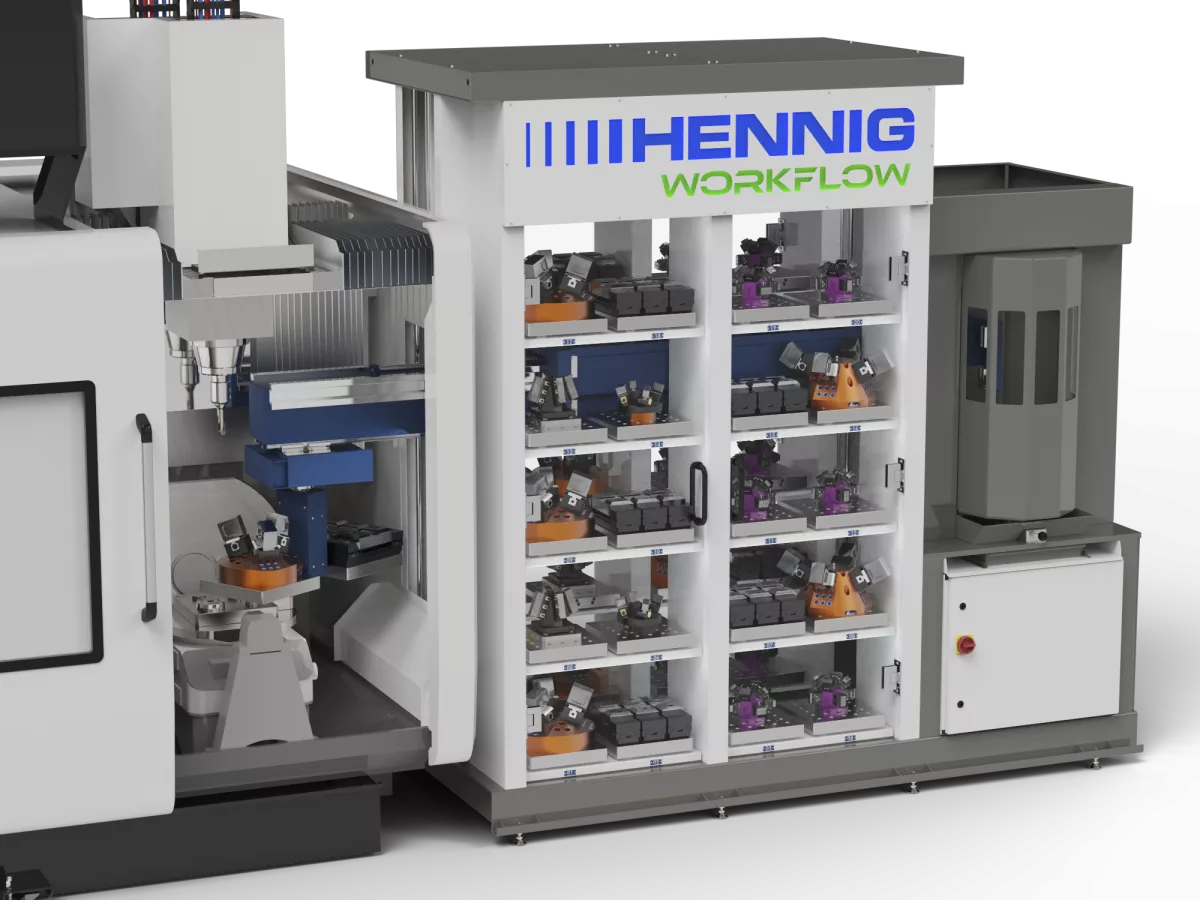
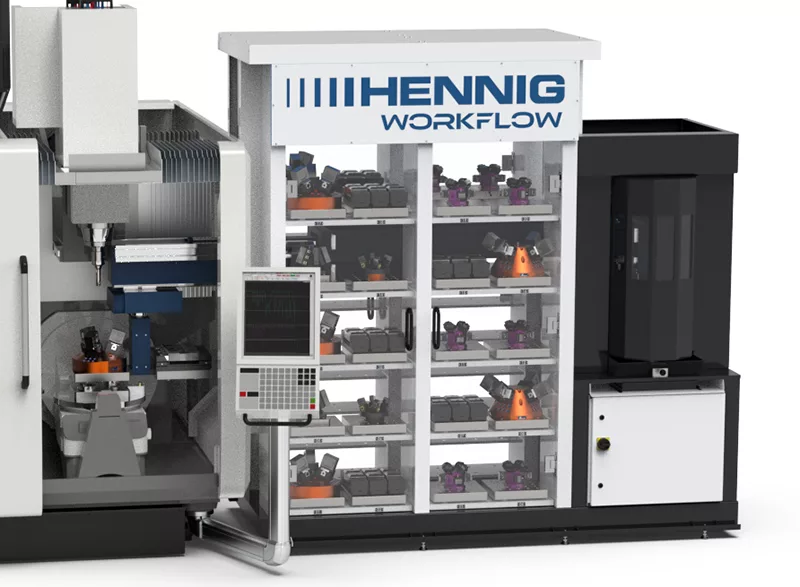
- If you don’t have the space for traditional pallet changers, Hennig’s WorkFlow system offers a compact footprint, considerably smaller than other bolt-on or retrofit pallet changers, making premium automation accessible to every shop.
Automation-ready chip and coolant systems, established in Phase 1, ensure that unattended runs remain stable with sensor implementation. Without stable processes and reliable alarm systems, conveyors, filtration, and coolant monitoring, automation can create bigger problems instead of solving them. With those foundations in place, pallet and part loaders can operate with confidence.
Fixture standardization across machines and cells ensures that the same pallet or part handling system can be scaled easily. When every machine shares common baseplates or zero-point clamping, automation becomes standardized rather than custom, reducing integration cost and complexity.
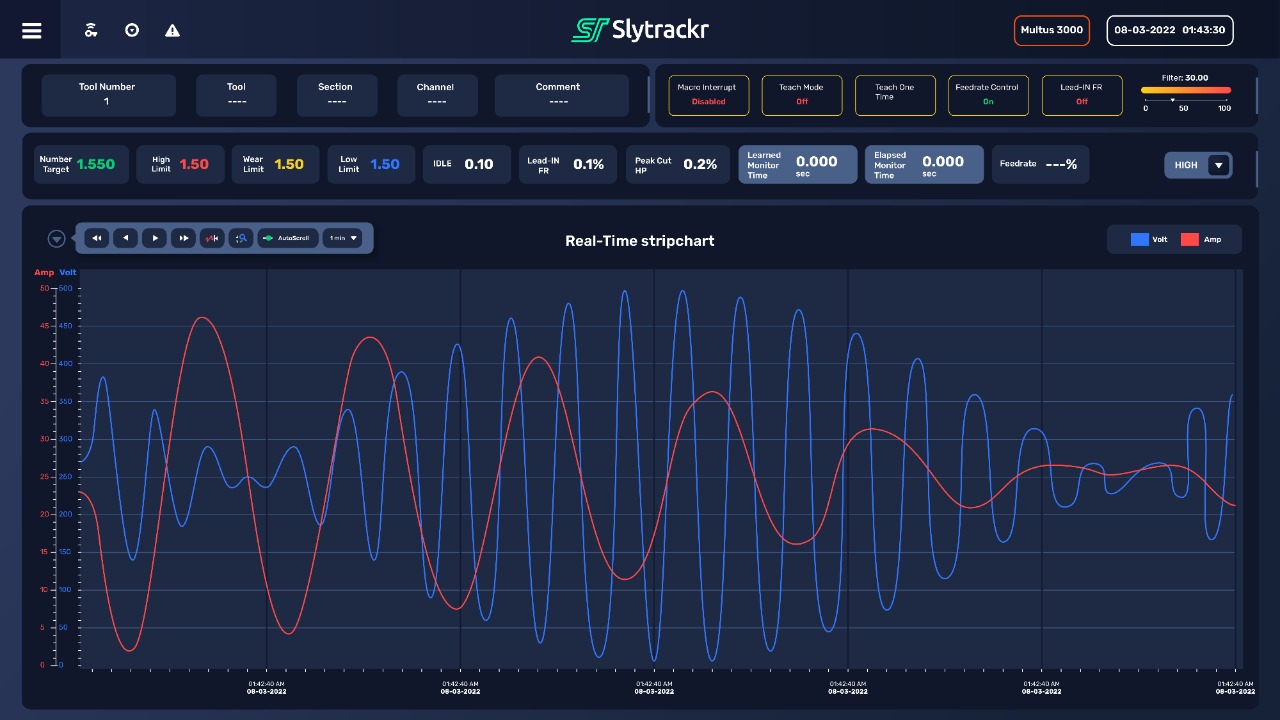
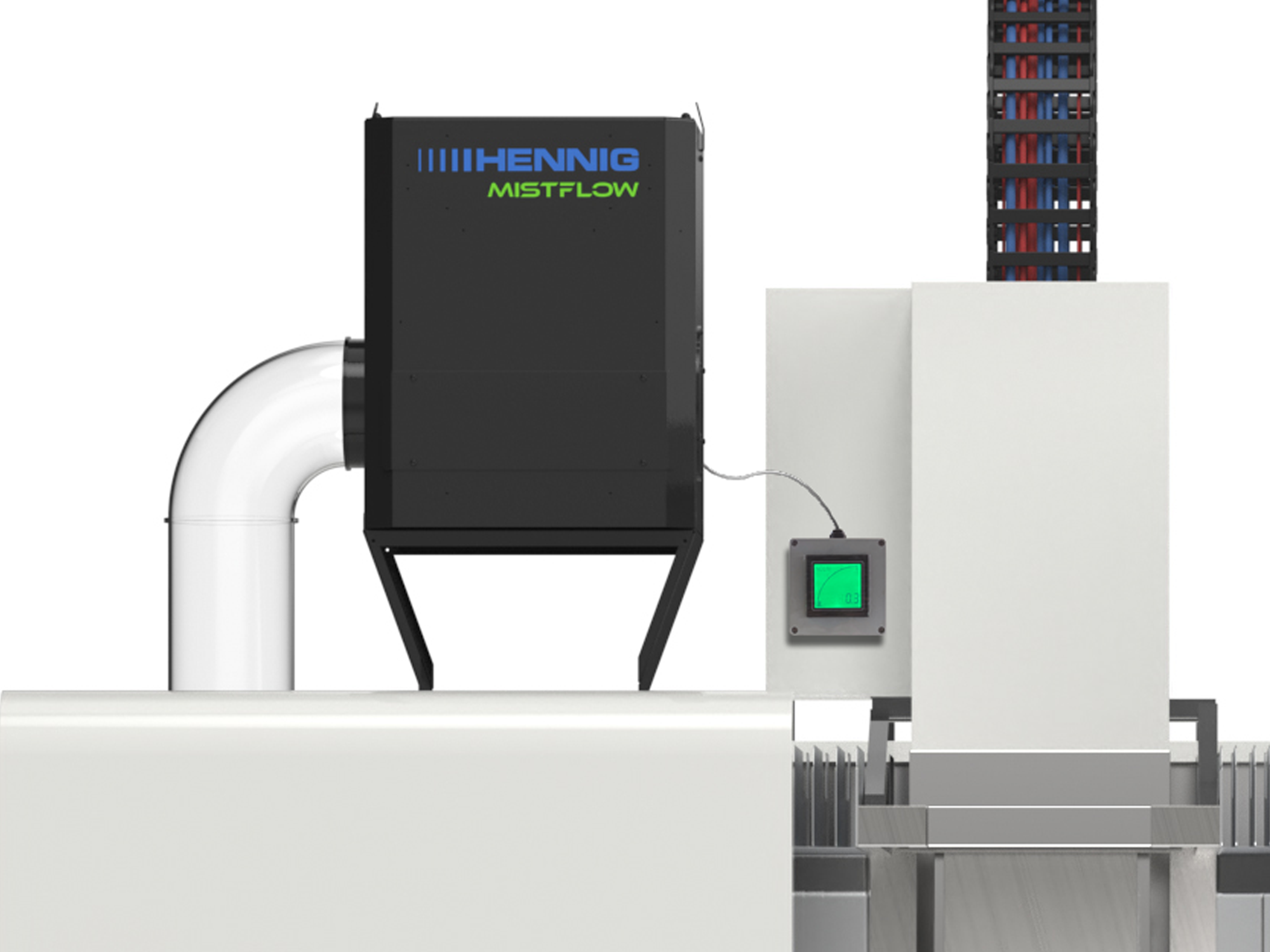
Run rules and monitoring safeguards such as tool break detection, clamp confirmation sensors, and alarm response protocols are essential for protecting both quality and uptime during lights-out operation. The IOT system of smart machine tool monitoring, optimization, and break detection also includes various chip and coolant sensors. They’re your eyes and ears during automated cycles, so you know right away if something goes wrong, no matter where you are.
- By automatically handling common issues or triggering alerts before they escalate, monitoring safeguards prevent costly scrap, protect unattended hours, and ensure automation delivers reliable ROI.
People and process focus
Automation requires clear run rules, trained operators, and sometimes, outside expertise.
Many shops bring in an automation engineer or integrator to configure pallet systems and monitoring safeguards. Operators then need training on troubleshooting, such as what to do when a clamp sensor trips or when the system signals a tool break.
With the right people and processes in place, one overnight attendant can monitor dozens of lines, facilitating reliable lights-out production instead of unexpected downtime.
Success metrics and targets
- Operator-to-machine ratio increases (e.g., from 1:1 to 1:2–1:4).
- More unattended hours per week; more on-time delivery
- OEE (Reference Nick’s Presentation)
Worksheet 1: The Bottleneck Finder
Rate nine parts of your CNC ecosystem, from chip and coolant management to automation readiness, on a 1 to 5 scale against your last three months. The scoring lands on your top three sources of lost capacity, the hours each one costs you per week, and which of the three phases your shop should actually start in. One sheet per line or cell.
Worksheet 2: The Three-Phase Upgrade Planner
One page per upgrade, so every machine or cell gets its own mini project plan. Bottleneck, why now, solution, expected impact, dependencies, risks, budget, lead times, owner, and due date up front. Success measure, actual impact, and a review date at the back, so the upgrade gets checked after it runs, not just approved before it ships.
Worksheet 3: The ROI Calculator
Enter your machine rate, downtime hours, scrap percentage, and upgrade cost. You get the weekly and annual cost of the downtime you are already absorbing, the savings a fix recovers, and the payback period in months. It closes with a one-line business case and a signature block, because the math only matters if someone signs it.